Moisture-source investigation
Connect the concern to plumbing, roof entry, seepage, condensation, humidity, or an earlier water event.
MOLD REMEDIATION · GRAND RAPIDS, MI
A spot on drywall may be only one clue. Start with the leak, humidity, or water event—then follow the moisture through every connected material.
A BETTER FIRST DECISION
A musty odor, recurring stain, soft wall, or damp basement can leave a property owner guessing. The useful question is not only where mold appeared. It is why the area stayed wet.
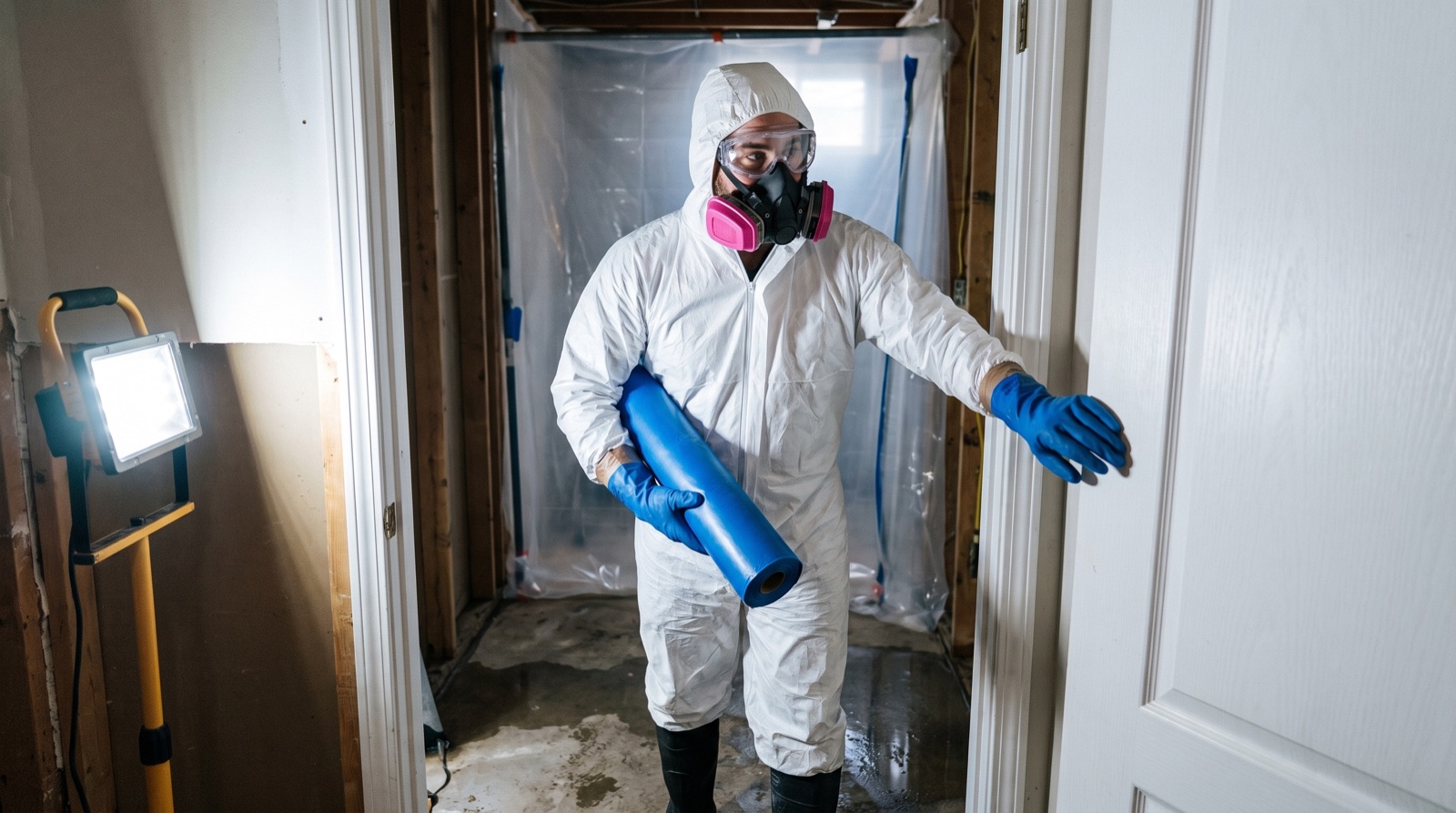
A clear response connects source correction, evaluation, work-area protection, cleaning or removal, drying, final cleanup, and repair planning.
SIX PARTS OF THE RESPONSE
Connect the concern to plumbing, roof entry, seepage, condensation, humidity, or an earlier water event.
Consider nearby rooms, flooring layers, cabinets, ceilings, wall cavities, insulation, and contents.
Define a work boundary that helps separate disturbed material and dust from unaffected areas.
Clean materials that can reasonably be cleaned and identify porous materials that may need removal.
Address damp framing and connected materials before finishes are replaced or closed.
Finish cleanup, organize useful condition details, and prepare the area for needed repairs.
THE GRAND RAPIDS MOISTURE MAP
A good plan connects the history of the water to the condition of the materials.
Talk through the property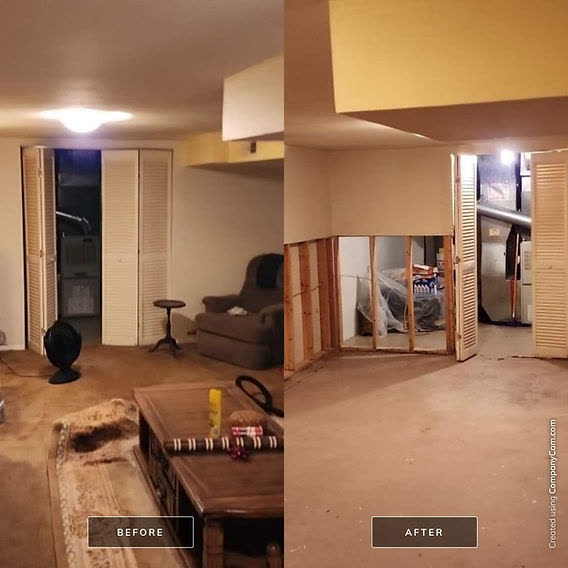
MATERIALS MAKE THE DIFFERENCE
Hard surfaces may allow different cleaning choices than absorbent or damaged materials. Access matters too. A cavity, layered floor, cabinet base, or insulated ceiling can hold moisture beyond the visible edge.

SERVING GRAND RAPIDS, MICHIGAN
Local properties can face foundation seepage, roof entry, plumbing failures, appliance leaks, condensation, and high indoor humidity. Local weather is context—not proof of the scope. The property still decides the plan.
WHEN INSURANCE IS INVOLVED
Photographs, timing, source information, affected rooms, material conditions, and a clear sequence may help organize a claim. Coverage and payment decisions remain with the policy and carrier.
Call before details get harder to track →USEFUL ANSWERS
Avoid disturbing a large or uncertain area. If it is safe, stop an active water source, note the room and materials involved, and write down any recent leak, storm, condensation, or humidity problem.
Cleaning or paint may change the surface without correcting the moisture that kept the material damp. A lasting plan starts with the water source and the full affected area.
Moisture can move behind trim, inside wall or ceiling cavities, below flooring, and around cabinets. The water history and connected materials help decide where closer evaluation may be useful.
No. The material, condition, moisture exposure, access, and ability to clean and dry it all matter. Some materials may be cleaned, while damaged porous materials may need removal.
Timing depends on the moisture source, size of the affected area, materials, access, drying needs, and repairs. The property conditions should set the sequence instead of a preset promise.
Share where the concern appeared, when you noticed it, what you see or smell, the materials involved, any water event, and anything already cleaned, dried, removed, or repaired.
START WITH A CLEARER MAP